
Is Azelaic Acid Good for Hormonal Acne?
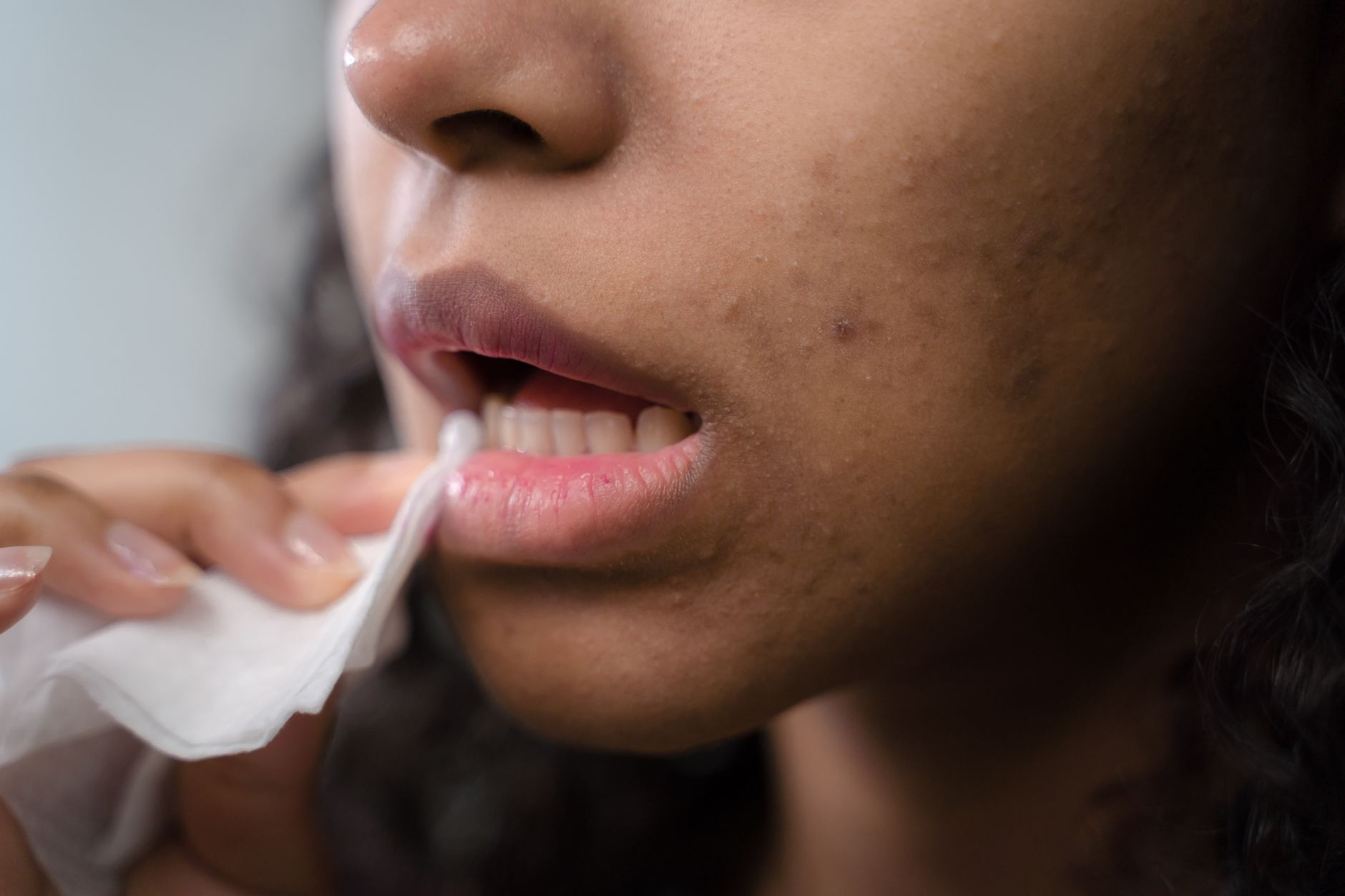
Hormonal acne can be one of the most persistent types of acne to manage. Unlike occasional blemishes caused by clogged pores or temporary changes in a skincare routine, hormonal breakouts are influenced by fluctuations inside the body. They commonly appear along the chin, jawline, and lower face and may return in a predictable cycle.
While topical skincare cannot eliminate the hormonal factors responsible for these breakouts, certain ingredients can help address what happens at the skin level. Azelaic acid is one option that has gained attention for its ability to target several concerns associated with acne, including clogged pores, inflammation, redness, and post-acne discoloration.
Why Hormonal Acne Can Be Difficult to Treat
Hormonal acne is challenging because its underlying triggers aren’t entirely on the surface of the skin. Fluctuations in hormones, particularly androgens, can increase oil production and contribute to conditions that make clogged pores and breakouts more likely.
For some people, hormonal acne appears around menstruation, pregnancy, or other periods of hormonal change. Others experience recurring hormonal breakouts well into adulthood. These blemishes can also be deeper and more inflamed than occasional surface-level pimples, making them slower to disappear.
Another challenge is what happens after a breakout clears. Inflammation can leave behind red or brown marks that remain visible long after the original blemish has healed. Repeated breakouts in the same areas can create a cycle in which active acne and post-inflammatory discoloration are present simultaneously.
That’s where azelaic acid can be particularly useful. Azelaic acid has antimicrobial and anti-inflammatory properties and can help normalize the way skin cells shed inside the pores. It also helps inhibit excess melanin production, making it useful for addressing the appearance of post-acne dark spots.
However, persistent or severe hormonal acne may require treatment that addresses the underlying hormonal component. A dermatologist can help determine whether prescription topical or oral treatments should be incorporated into a broader acne-management plan.
Where Azelaic Acid Fits Into a Hormonal Acne Routine
Azelaic acid can fit comfortably into a relatively simple skincare routine. Typically, that means beginning with a gentle cleanser, applying targeted treatments, following with moisturizer, and finishing with broad-spectrum sunscreen during the day.
Consistency matters more than using numerous active ingredients at once. Introducing azelaic acid gradually can help the skin adjust and make it easier to identify any sensitivity.
People dealing with stubborn breakouts may also wonder about combining azelaic acid and benzoyl peroxide. The ingredients target acne differently, so both may have a place in a routine. However, using several active products simultaneously can increase dryness or irritation for some skin types. Introducing products separately or alternating when they’re used can make a routine easier to tolerate.
An effective skincare routine can also address concerns beyond breakouts. For example, someone focused on both acne and visible signs of aging may incorporate a neck firming cream to provide targeted hydration and support smoother, firmer-looking skin on the neck.
Ultimately, the goal should be a manageable routine that can be followed consistently rather than an overly complicated collection of products.
Final Thoughts
Azelaic acid can be a valuable ingredient for hormonal acne because it targets several visible effects of breakouts, including inflammation, clogged pores, redness, and lingering discoloration. It won’t correct the hormonal fluctuations responsible for acne, but it can support clearer and more even-looking skin as part of a comprehensive routine. For persistent, painful, or scarring hormonal acne, combining thoughtful skincare with professional dermatological guidance can provide a more complete approach to long-term management.