
How Different Indian States Develop Their Own Football Cultures
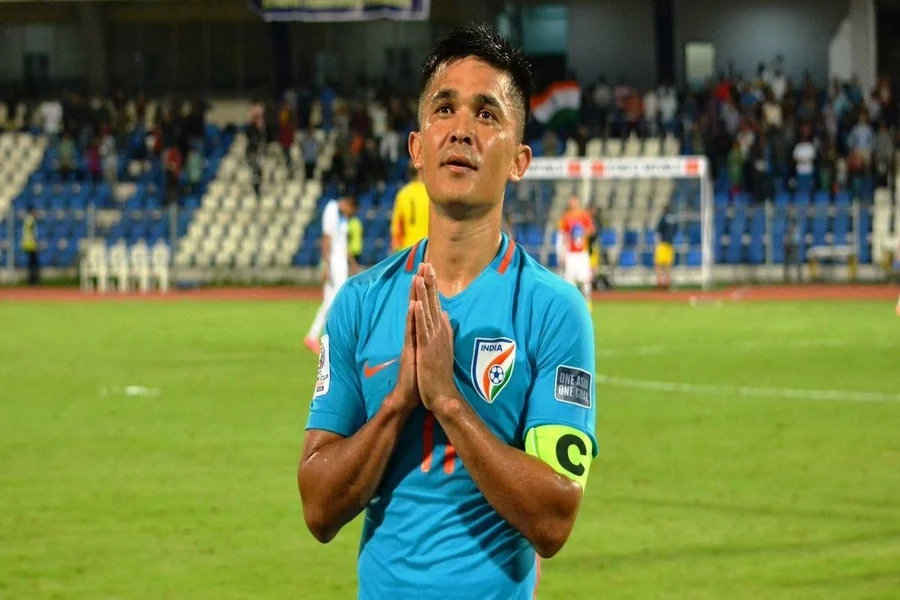
Football in India does not grow through one national pattern. Its importance varies by state, district, city, and community. In some regions, the sport is tied to school competition and local clubs. In others, it is connected to migration, military institutions, church networks, industrial towns, or border identities. These differences explain why football can feel central to daily life in one state while remaining secondary in another.
A viewer may read more while moving between sports coverage and other forms of digital entertainment, but football culture is built through repeated local participation. It develops when children can play, families recognise clubs, schools organise competition, and communities treat matches as social events. Each state combines these elements in a different way.
History Determines Where Football Takes Root
Football often becomes established where institutions introduce it early and organise it regularly. Schools, colleges, military units, port communities, factories, and local associations have all helped spread the game in different parts of India.
In states with a long football history, the sport is passed between generations. Former players become coaches, parents take children to matches, and local tournaments become part of the calendar. This continuity gives football a place in community memory.
Other states may have large populations and strong interest in sport but lack the same historical network. Football may be played widely without producing a culture built around clubs, rivalries, and local heroes.
History therefore affects more than tradition. It creates facilities, coaching knowledge, administrative habits, and public expectations that make later growth easier.
West Bengal Builds Culture Through Clubs and Rivalry
In West Bengal, football culture has long been linked to clubs, neighbourhood identity, and public debate. Support is often inherited through families, and club loyalty can reflect social history as well as sporting preference.
Local competitions help connect professional football with everyday life. Small clubs, school teams, and district tournaments create routes into the sport. Even people who do not play may follow results, discuss selection, or attend matches.
Rivalry plays a major role because it gives football a narrative beyond individual games. Supporters do not simply watch for technical quality. They connect results with memory, family identity, and local pride.
This structure makes football visible throughout the year. The professional game sits at the top of a wider culture rather than existing as a separate entertainment product.
Goa Connects Football With Community Life
Goa has developed a football culture through village clubs, schools, local leagues, and community participation. The game is often organised at a scale that allows players and supporters to know one another.
Village-level competition gives football social value. Matches can represent communities rather than commercial organisations. This creates loyalty even when the level of play is far below the professional game.
Schools and local institutions also provide continuity. Young players encounter football as part of routine life, not only through television. They see older players compete, understand the pathway into local teams, and gain access to coaching.
Goa’s culture shows that football does not require a large urban market to become important. A dense network of local participation can sustain the sport through community ownership.
Kerala Combines Mass Participation With Public Emotion
Kerala’s football culture is shaped by large viewing audiences, local tournaments, school competition, and interest in international football. The sport often becomes most visible during major global events, when streets, shops, and public spaces reflect support for national teams from abroad.
However, Kerala’s football identity is not limited to watching. Local competitions, including small-sided events, create opportunities for players across towns and villages. These tournaments can attract crowds and provide income for organisers and players.
Migration has also influenced the culture. People working outside the state or abroad bring back exposure to different football environments, media habits, and forms of organisation.
The result is a culture that combines global fandom with local participation. Supporters may follow foreign football, but they also treat local matches as events with social meaning.
The Northeast Uses Football as a Route to Representation
Several northeastern states have developed strong football cultures through school sport, community clubs, and a high level of player participation. In many areas, football offers a path to regional and national representation.
Local identity matters because players from smaller states can use the sport to gain visibility beyond their home region. When one player succeeds at a higher level, that achievement can influence younger athletes and increase family support.
Football also suits communities where team sport is already part of school and youth life. Regular competition helps identify players early, while local coaches understand the physical and technical demands of the game.
The culture is reinforced when supporters see players from their own towns or ethnic communities competing professionally. Representation makes the professional game feel connected to local life.
Schools Shape the Depth of State Football
School systems are central to the difference between states. Where schools organise leagues, employ coaches, and maintain grounds, football receives a stable development base.
School competition gives children repeated matches rather than occasional training. It also allows players from different economic backgrounds to enter the sport without depending entirely on private academies.
States with weak school football often rely on isolated clubs or paid programs. This limits access and reduces the number of players who receive structured development.
A strong school system also creates spectators. Students support classmates, families attend matches, and teachers help preserve tournament traditions. Football culture grows because participation and observation occur together.
Local Tournaments Create Identity and Opportunity
Small tournaments are often more important to football culture than national competitions. They give communities regular reasons to gather and allow players to compete in front of familiar audiences.
These events may be organised by villages, neighbourhood groups, schools, religious institutions, or local businesses. Their budgets may be limited, but their cultural influence can be large.
Local tournaments also create informal labour markets. Players may receive appearance fees, coaches gain experience, and organisers build networks. Referees, medical staff, vendors, and media workers can also become involved.
When these events are repeated each year, they become part of local identity. A state’s football culture is often strongest where such competition exists at several levels.
Infrastructure Changes the Form of Participation
The availability of land, grounds, and stadiums affects how football develops. Urban states may have large audiences but limited space for training. Rural regions may have more open land but fewer coaches or organised leagues.
Some communities respond by using smaller pitches and shorter formats. Others rely on school grounds, public fields, or multipurpose stadiums.
The condition of these facilities shapes player development. Poor surfaces limit passing, increase injury risk, and encourage direct play. Better grounds allow coaches to teach possession, movement, and positional structure.
Infrastructure therefore affects not only how many people play but also what style of football becomes common.
State Institutions Determine Whether Culture Becomes a System
Passion alone does not create a professional pathway. State associations, education departments, clubs, and local authorities must organise competition and connect youth football with higher levels.
Where institutions cooperate, players can move from schools to district teams, state competitions, academies, and professional clubs. Where administration is fragmented, talented players may struggle to find the next step.
Different Indian states develop their own football cultures because they combine history, institutions, community identity, and access in different proportions. No single model can explain them all.
Some cultures are built around clubs, others around villages, schools, migration, or regional representation. What unites them is continuity. Football becomes part of a state’s identity when people do not only watch it, but organise it, teach it, play it, and pass it to the next generation.